Forbidden Fruit Feminized Seeds
By Ivan K., DSS Genetics · Updated April 2026

Forbidden Fruit Feminized Seeds
SKU: DSS-FOFR-FEM-5PK
Pack Size
Quantity
Disclaimer: For informational purposes only — not medical advice. Consult a healthcare professional before use.
About This Strain
Forbidden Fruit Feminized Seeds — Complete Strain Profile
Forbidden Fruit Feminized Seeds – Strain Overview
Forbidden Fruit is a 70% indica-dominant hybrid born from two iconic West Coast strains — the tangy, citrus-soaked Tangie and the cherry-sweet, dessert-forward Cherry Pie. The result is a strain that punches well above its weight, delivering 23–26% THC with a terpene profile so vivid it practically announces itself before the jar is even cracked open. If you're looking for a strain that bridges the gap between deeply relaxing and genuinely pleasurable to consume, Forbidden Fruit lands squarely in that space.
What makes this cross genuinely special is how cleanly the parent genetics translate. Tangie brings brightness — both in aroma and in the initial cerebral lift — while Cherry Pie grounds the experience with a warm, full-body calm that builds steadily over the first 20 minutes. With easy-to-grow characteristics and a flowering window of just 63–70 days, it's equally well-suited to a first-time indoor setup and an experienced outdoor garden.
Effects and Medical Benefits
The high opens with a gentle but unmistakable cerebral warmth — not a racy sativa rush, but a soft euphoric glow that clears mental clutter and settles the mood within the first few minutes. That initial uplift is Tangie's genetic fingerprint, and it's one of the most pleasant introductions in any indica-dominant strain we've grown.
By the 20–30 minute mark, the Cherry Pie side takes the wheel. A wave of physical relaxation moves down from the shoulders and spreads outward, heavy enough to be genuinely calming but rarely tipping into full couch-lock at moderate doses. The headspace stays pleasant — clear enough to hold a conversation, but soft enough that the outside world loses its urgency.
Users commonly report these effects:
- Deep relaxation — a progressive body calm that builds without overwhelming
- Euphoria — a mood-brightening lift that anchors the first half of the experience
- Calming mental quiet — racing thoughts slow noticeably, replaced by a comfortable stillness
- Gentle sedation — at higher doses, a natural drift toward sleep that's never jarring
On the medical side, Forbidden Fruit is frequently chosen for:
- Chronic pain — particularly muscle tension, joint discomfort, and generalized physical stress
- Stress — the body-load component makes it especially effective at unwinding accumulated daily tension
- Depression — the euphoric onset provides a reliable mood floor without feeling artificial
- Insomnia — the sedating indica backbone makes it a strong evening strain for those who struggle to wind down
With 0.3–0.7% CBD alongside 23–26% THC, the cannabinoid ratio here isn't about CBD dominance — it's about synergy. That small but present CBD fraction, combined with Linalool's calming properties and Myrcene's sedative contributions, creates a genuinely rounded therapeutic effect through what researchers describe as the entourage effect. The whole is meaningfully greater than the sum of its parts.
Aroma, Flavor and Terpene Profile
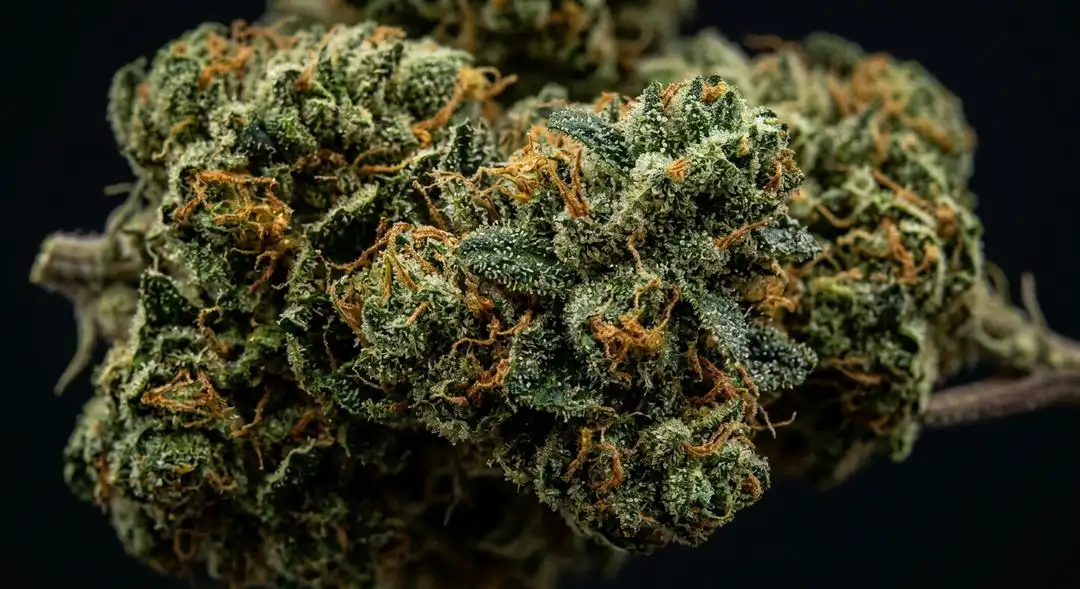
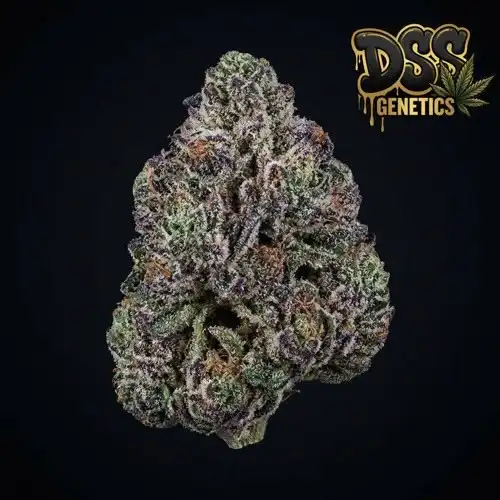
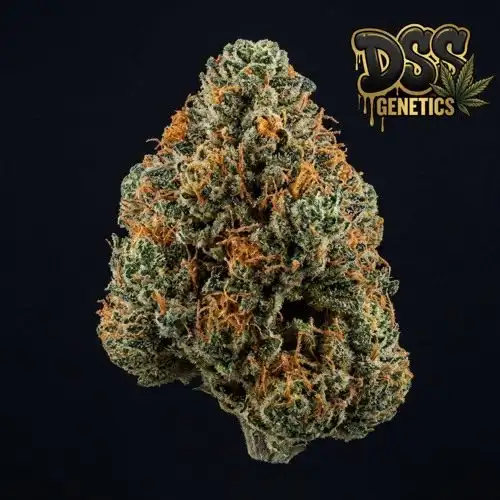
Breaking a Forbidden Fruit bud is a small event. A burst of tropical citrus hits first — mandarin peel and ripe mango — before a warmer, almost jammy cherry note rises up from underneath. Let it sit for a moment and floral sweetness emerges, like dried lavender stirred into a bowl of stone fruit. It's a layered, genuinely beautiful aroma that holds up through the entire session.
On the inhale, the flavor leads with sweet citrus brightness that's clearly Tangie's contribution — clean, almost candy-like, but never synthetic. The exhale is where Cherry Pie makes its statement: a rich, earthy-sweet warmth with just enough floral depth to keep the profile interesting from first hit to last. The smoke is remarkably smooth for a strain at this THC level.
Myrcene is the anchor terpene here, and its presence explains a lot about why Forbidden Fruit feels the way it does. Beyond its earthy, slightly herbal aroma, Myrcene is widely studied for its role in deepening physical relaxation and may enhance THC permeability across the blood-brain barrier — which could partly explain why this strain's body effects arrive so smoothly and completely.
Linalool is responsible for the floral dimension that sets Forbidden Fruit apart from simpler fruit-forward strains. More than just a pleasant scent, Linalool is one of the most researched terpenes for its anxiolytic and calming properties, contributing directly to the strain's ability to quiet mental noise without dulling awareness.
Caryophyllene brings a subtle spicy warmth to the background of the profile — you might not consciously identify it as pepper, but its absence would leave the aroma feeling thinner and less complex. Uniquely among cannabis terpenes, Caryophyllene binds directly to CB2 receptors in the endocannabinoid system, giving it genuine anti-inflammatory activity that complements the strain's pain-relieving reputation.
Humulene rounds out the terpene picture with an earthy, slightly woody depth that keeps the sweetness from becoming cloying. It also carries well-documented appetite-suppressing properties — a useful counterbalance in a heavily indica-leaning strain that might otherwise trigger significant hunger.
Growing Forbidden Fruit Seeds
Forbidden Fruit sits comfortably in the easy-to-grow category, and it earns that rating honestly. The plant structure is manageable — medium height, sturdy lateral branching from Tangie's influence, and dense bud sites that fill in generously through the flowering stretch. What we've found over dozens of grows is that it's forgiving of minor nutrient swings that would stress more finicky genetics, making it a reliable producer even when conditions aren't perfect.
Indoors, maintain temperatures between 68–79°F (20–26°C) through vegetative growth and tighten that range to 68–75°F (20–24°C) once flowering begins. This strain responds well to slightly cooler nighttime temperatures in the final two weeks — dropping to 62–65°F (17–18°C) at night can bring out the purple and deep blue hues in the calyxes that Forbidden Fruit is known for, without stressing the plant. Keep relative humidity at 50–60% during veg, then step it down to 40–50% in early flower and 38–42% in the final three weeks to protect the dense colas from moisture-related issues.
Outdoors, Forbidden Fruit thrives in Mediterranean and temperate climates where daytime temperatures stay consistently above 65°F (18°C). It finishes harvest-ready in late September to mid-October in most Northern Hemisphere locations, making it a practical choice for regions with reliable late-season weather. The medium plant size keeps it manageable in garden settings where height is a consideration.
In our experience, the biggest mistake growers make with this strain is underfeeding during the mid-flower stretch. Forbidden Fruit is a moderate-to-heavy feeder from weeks 3 through 6 of flowering. Nitrogen should be gradually tapered from week 2 of flower onward, but phosphorus and potassium need to be elevated meaningfully — we've seen the best bud density and resin production when P and K sit at 2–2.5x the vegetative-phase levels through weeks 4–7. Watch leaf color; slight yellowing of the lower fan leaves in late flower is normal and expected, but mid-canopy yellowing before week 7 signals you need to reassess your nutrient approach.
Key growing tips for Forbidden Fruit:
- Training: Low-stress training and screen of green (ScrOG) both work exceptionally well — the plant's natural branching structure fills a horizontal net efficiently and rewards growers who develop the canopy early in veg
- Nutrient timing: Follow a structured nutrient schedule that bumps phosphorus and potassium aggressively from week 3 of flower; this strain visibly rewards proper mid-flower feeding with noticeably denser, more resinous buds
- Indoor environment: Good oscillating airflow is important — the dense bud structure benefits from consistent air movement throughout the indoor grow space, particularly in the lower canopy
- Outdoor timing: For outdoor grows, transplant into final containers no later than early June in Northern Hemisphere climates to give the root system time to establish before the pre-flower stretch
- Late-veg defoliation: A light defoliation pass at the transition from vegetative to flowering stage — removing lower fan leaves that won't receive light — improves airflow and directs energy toward the top colas that will carry the bulk of your yield
Yield and Flowering Time
Forbidden Fruit finishes its flowering stage in 63–70 days — a tight window for a strain at this THC level. Indoor growers can realistically expect 1.1 to 1.3 oz/ft² under well-dialed conditions, and outdoor plants are consistent producers at 12 to 16 oz/plant when given a full season. For a strain in the easy-to-grow category, those yield numbers are genuinely competitive, particularly for indica-dominant genetics that tend to prioritize potency over raw production.
What we consistently see across multiple indoor runs is that the upper end of that yield range — closer to 1.3 oz/ft² — is reliably achievable when growers commit to a proper ScrOG setup and don't rush the flush. The final 10–14 days of flower, when trichomes are transitioning from milky to amber, are where most of the bud weight accumulates. Patience in that window pays off measurably. For outdoor growers chasing the upper range of 16 oz/plant, a healthy root zone and consistent late-summer watering schedule make the biggest difference — this strain doesn't respond well to drought stress in the final 4 weeks before harvest.
To maximize your harvest:
- Trichome timing: Harvest when 60–70% of trichomes are milky white and 15–25% have turned amber — this window delivers Forbidden Fruit's full relaxation-euphoria balance; harvesting too early skews the effect toward anxiety-adjacent raciness
- Final-week humidity: Drop relative humidity to 38–42% in the last 10 days to protect dense colas, encourage resin production, and minimize any late-stage mold risk
- Pre-harvest flush: Run plain pH-balanced water (6.0–6.5 for soil) for 10–14 days before harvest to clear residual nutrients and allow the strain's natural terpene profile to fully express — Forbidden Fruit's tropical-floral aroma is noticeably cleaner in a properly flushed crop
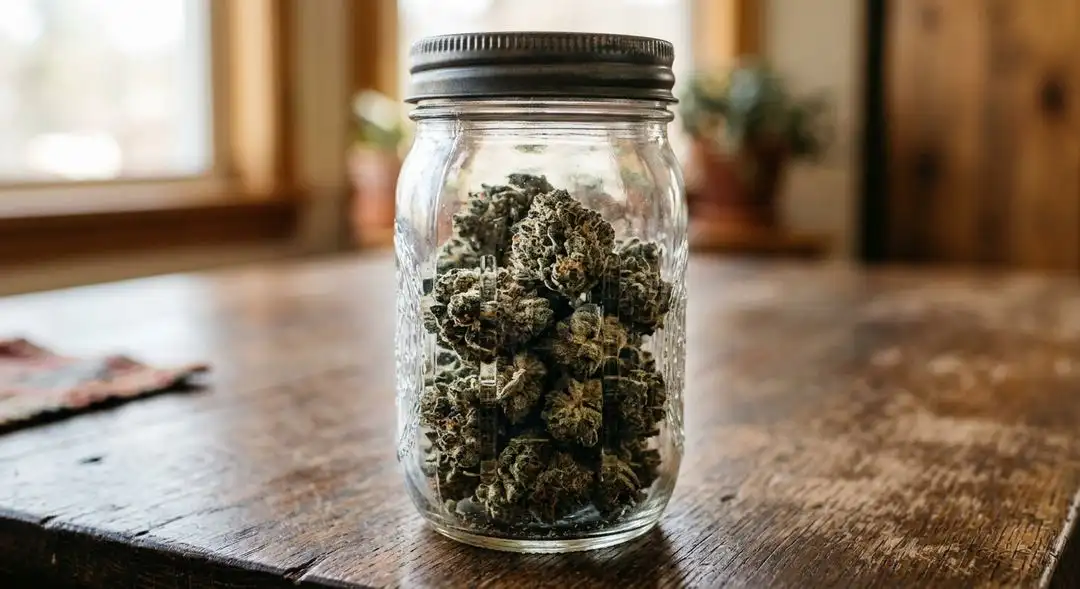
- Drying and curing: Dry slowly at 60–65°F and 55–60% RH for 8–12 days before jarring — rushing this phase is the single most common reason growers end up with less aromatic Forbidden Fruit than the strain is capable of; the linalool and myrcene that define this strain's signature scent are highly volatile and require a slow cure to fully develop
Why Buy Forbidden Fruit Seeds from DSS Genetics?
Every Forbidden Fruit seed ships with a full germination guarantee — if it doesn't sprout under proper conditions, we replace it without hassle. Orders go out in discreet, unmarked packaging with free worldwide shipping, and we handle seed storage with the temperature and humidity controls that preserve viability from our warehouse to your door. Our germination guide walks you through every step of getting your seeds off to the strongest possible start.
- Germination guaranteed — every seed is backed by our replacement policy, no questions asked
- Free worldwide shipping — discreet plain packaging that attracts zero attention in transit
- Spend $100+ — receive free premium seeds automatically added to your order
- Proper cold-chain storage — seeds are stored at optimal temperature and humidity from packing to delivery, so viability is never compromised before the seed even reaches you
Frequently Asked Questions
Is Forbidden Fruit a good strain for beginner growers?
Yes — Forbidden Fruit is genuinely one of the more forgiving strains at this THC level. Its medium size, sturdy structure, and tolerance for minor environmental fluctuations make it a strong choice for growers still building their skill set. If you're new to cannabis cultivation, pair it with our germination guide and take a look at the broader easy-to-grow collection for additional low-stress options to run alongside it.
How potent is Forbidden Fruit compared to other indica strains?
At 23–26% THC, Forbidden Fruit sits firmly in the upper tier of indica-dominant genetics. It's not the absolute ceiling — there are strains in our highest-THC collection that push beyond 28% — but for most consumers seeking genuine relaxation and therapeutic depth, Forbidden Fruit's potency level is more than sufficient. The 0.3–0.7% CBD content adds therapeutic nuance through the entourage effect without softening the THC impact in any noticeable way.
What terpenes does Forbidden Fruit contain, and how do they affect the experience?
Forbidden Fruit's four primary terpenes are Myrcene, Caryophyllene, Linalool, and Humulene. Together they create the strain's distinctive tropical-citrus-floral a
Medical Disclaimer: This information is for educational purposes only and should not be considered medical advice. Always consult a healthcare professional before using cannabis for medical purposes. Individual results may vary.
Frequently Asked Questions
Forbidden Fruit — Common Questions Answered
What is Forbidden Fruit?
Forbidden Fruit is a indica-dominant cannabis strain (70% Indica / 30% Sativa) bred from Tangie x Cherry Pie. It produces THC levels of 23–26% and CBD levels of 0.3–0.7%. Known for its relaxing, euphoric, calming effects and sweet, earthy, citrus flavor profile.
Is Forbidden Fruit easy to grow?
Yes, Forbidden Fruit is an excellent choice for beginners. It has a forgiving growth pattern and doesn't require advanced techniques to produce good yields. Growing difficulty: Easy. It thrives in temperate climates and reaches a medium plant size.
How long does Forbidden Fruit take to flower?
Forbidden Fruit has a flowering time of 63–70 days. Switch to a 12/12 light cycle to initiate flowering. Expected yields are 1.1 to 1.3 oz/ft² indoors and 12 to 16 oz/plant outdoors.
What are the effects of Forbidden Fruit?
Forbidden Fruit delivers relaxing, euphoric, calming effects. Many growers report it helps with pain, stress, depression, insomnia. With THC levels of 23–26%, it is a potent strain — start with a low dose if you have low tolerance.
What does Forbidden Fruit smell and taste like?
Forbidden Fruit's dominant terpenes are Myrcene, Caryophyllene, Linalool, Humulene, which give it a sweet, earthy, citrus, tropical, fruity, floral flavor and aroma profile. Myrcene contributes earthy, herbal notes and is associated with relaxing effects.Caryophyllene provides spicy, peppery notes and may help with inflammation.
Can I grow Forbidden Fruit indoors and outdoors?
Yes, Forbidden Fruit performs well both indoors and outdoors. Indoor yields average 1.1 to 1.3 oz/ft², while outdoor grows can produce 12 to 16 oz/plant. It prefers temperate conditions. Its medium height is manageable in most indoor setups.
What does "feminized" mean for Forbidden Fruit seeds?
Feminized Forbidden Fruit seeds are bred to produce only female plants, which are the ones that develop smokable buds. This eliminates the need to identify and remove male plants, saving time and maximizing your grow space. Over 99% of feminized seeds will produce female plants.
Grower Reviews
Real grow experiences from our community
Similar Strains
Growing Guides & Articles
Get 10% Off Your First Order
Join our newsletter for exclusive deals, growing tips, and new strain drops.