What Is Limonene? Chemistry Behind the Citrus Terpene
Limonene is a cyclic monoterpene responsible for the bright citrus aroma found in lemon peels, orange rinds, and many limonene cannabis strains. It is one of the most abundant terpenes in nature and the second most common terpene in cannabis after myrcene, according to Weedmaps.
Chemically, d-limonene has the molecular formula C₁₀H₁₆ and a boiling point of approximately 176°C (349°F). Its structure features a six-carbon ring with an attached isopropenyl group, making it volatile enough to become airborne the moment you crack open a jar of citrusy flower.
Beyond cannabis, limonene appears in mint, juniper, rosemary, pine, and fennel. Industrially, it serves as an organic solvent, herbicide component, and fragrance additive. In traditional medicine, it has been used for centuries in remedies for bronchitis, heartburn, and gallstones.
Limonene is the terpene behind the zesty, citrus-forward aroma in cannabis. It occurs naturally in dozens of plants and has been used medicinally for centuries—but modern science is only now uncovering its specific mechanisms in the brain and body.
Limonene Concentration in Cannabis: How Much Is Actually There?
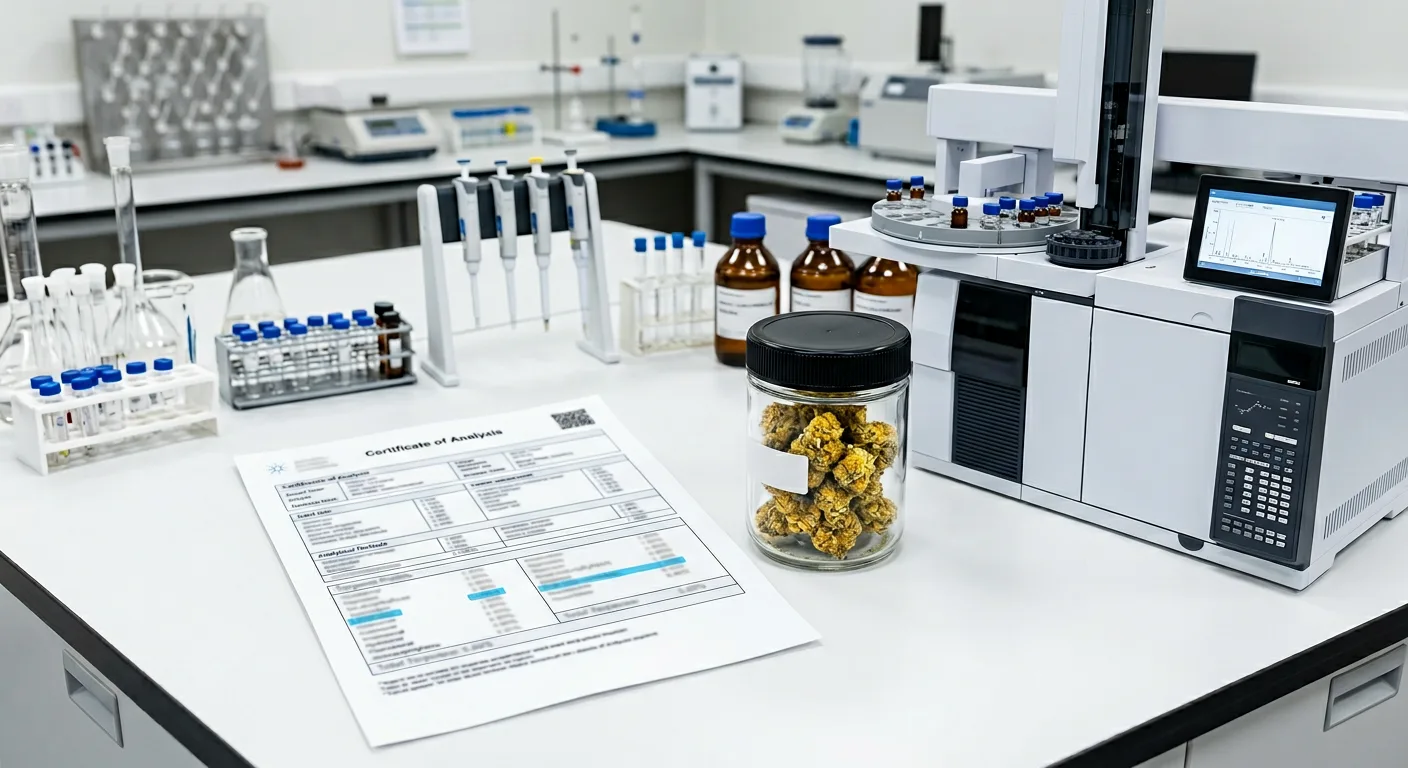
Most consumers overestimate how much limonene is present in flower. As Leafly reports, while THC typically makes up 10–30% of a flower's dry weight, limonene occurs in trace amounts—generally less than 2%. That small percentage, however, can meaningfully shape the overall experience.
Understanding limonene benchmarks helps you evaluate cannabis terpene lab reports (COA guide) more effectively. Here is what the numbers typically look like:
| Concentration Range | Classification | Typical Aroma Impact |
|---|---|---|
| < 0.3% | Low | Subtle citrus undertone; other terpenes dominate |
| 0.3% – 0.8% | Moderate | Noticeable lemon/orange zest on the nose |
| 0.8% – 1.5% | High | Pronounced citrus; uplifting character is apparent |
| > 1.5% | Very High | Dominant citrus burst; rare in whole flower |
Pro Tip: A strain that smells like lemon is not guaranteed to be high in limonene. Leafly notes that other terpenes—and even specific combinations of minor terpenes—can produce citrus aromas. Always check lab results rather than relying on your nose alone.
Limonene Effects on Mood: What the Research Shows in 2026

The limonene mood effects most users report—elevated spirits, a sense of optimism, and mild euphoria—align with a growing body of preclinical evidence. Limonene appears to interact with serotonin and dopamine pathways, though the exact mechanisms in humans require further study.
Animal research has shown that inhaled limonene vapors can increase serotonin levels in the prefrontal cortex and dopamine in the hippocampus. These are the same neurotransmitter systems targeted by common antidepressant medications. A 2017 study published in Molecular Medicine Reports also highlighted limonene's apparent ability to reduce markers of stress-related inflammation—a pathway closely linked to mood disorders.
Research Insight: Limonene's mood-elevating potential may stem from its interaction with serotonin (5-HT1A) receptors, the same receptors activated by the cannabinoid CBD. This shared receptor target could explain why high-limonene, CBD-containing strains often receive the strongest mood-boost reviews from users.
While these findings are promising, the doses used in most preclinical limonene studies are significantly higher than the amounts found in cannabis flower. As Leafly cautions, "little is known about how it works in the brain and body, and what doses are required to achieve these benefits." Cannabis-specific human research is still catching up.
If you are exploring cannabis strains for mood support, limonene-dominant profiles are a science-backed starting point—but individual results will vary based on your unique endocannabinoid system and the full chemical profile of the flower.
Limonene for Anxiety: The Johns Hopkins THC Study
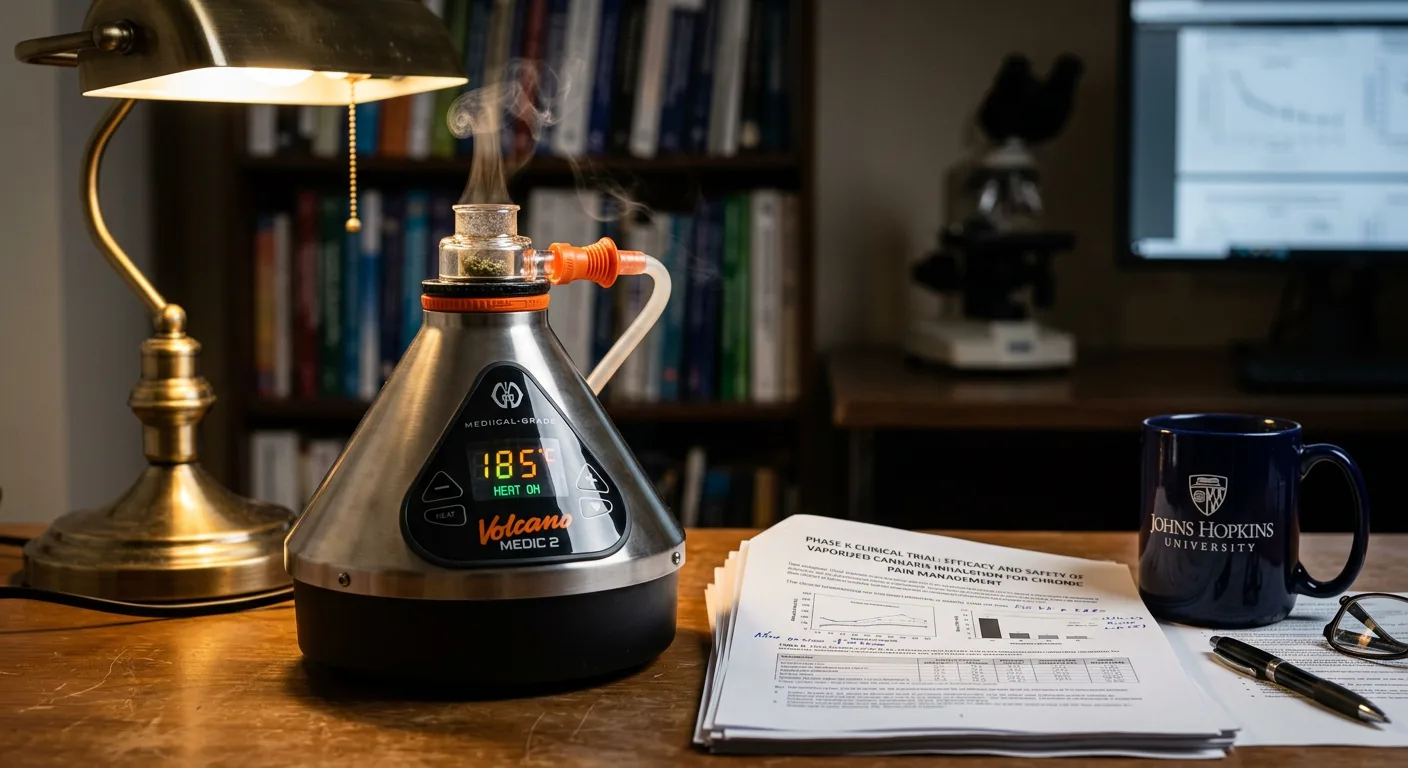
A landmark 2024 study from Johns Hopkins University School of Medicine provided the first controlled human evidence that d-limonene may counteract THC-induced anxiety. This research, published in Drug and Alcohol Dependence, is the most rigorous clinical evaluation of a single cannabis terpene's interaction with THC to date.
Study Design and Key Findings
Researchers Spindle, Zamarripa, Russo, and colleagues enrolled 20 healthy adults who intermittently used cannabis and had previously experienced anxiety from cannabis. Participants completed nine double-blind sessions inhaling vaporized THC alone (15 mg or 30 mg), d-limonene alone (1 mg or 5 mg), THC combined with d-limonene at various doses, or placebo. A subset of 12 participants also completed a tenth session with 30 mg THC + 15 mg d-limonene.
The results were striking:
- Selective anxiety reduction: D-limonene selectively attenuated THC-induced anxiety on the State-Trait Anxiety Inventory (STAI-S), with reductions that were dose-orderly
- No impact on the "high": Other subjective effects of THC—euphoria, altered perception, drug "liking"—were not diminished by limonene
- No standalone effects: Limonene alone (1 mg and 5 mg) produced no significant changes compared to placebo
- Preserved cognition: Cognitive and psychomotor measures (DSST and PASAT tests) were not significantly altered by adding limonene to THC
Key Takeaway: The Johns Hopkins study suggests d-limonene could increase the therapeutic index of THC—reducing its anxiety side effects without blunting its beneficial properties. The 30 mg THC + 15 mg d-limonene condition approached statistical significance for anxiety reduction (p = 0.08), and researchers noted the dose-response pattern was consistent and clinically meaningful.
This finding has direct implications for the "entourage effect" theory, which asserts that non-THC constituents modulate the cannabis experience. As the study authors concluded, "Future research should determine whether this effect extends to oral dose formulations and evaluate the interactions between other cannabis terpenoids or cannabinoids and THC."
For consumers who sometimes experience cannabis-related anxiety, seeking out high limonene strains may be a practical strategy worth exploring alongside other approaches like lower THC doses and strains with balanced CBD content.
Energy, Focus and the Uplifting Citrus Experience
Limonene energy cannabis effects are among the most commonly reported subjective experiences from citrus-forward strains. Users frequently describe increased alertness, mental clarity, and a motivating "get-up-and-go" quality—particularly with sativa-leaning, limonene-dominant cultivars.
While no controlled human study has isolated limonene's effect on energy specifically, several converging lines of evidence support these reports:
- Norepinephrine modulation: Preclinical research suggests limonene may influence noradrenergic pathways, which govern alertness and arousal
- Serotonin interaction: Enhanced serotonergic activity is associated with improved motivation and reduced fatigue
- Synergy with THC: The Johns Hopkins study showed limonene does not dampen THC's activating effects—only its anxiogenic ones—meaning users may experience a "cleaner" high with less paranoia weighing them down
If you are looking for cultivars that combine citrus terpene profiles with energizing effects, explore our curated list of best strains for energy and focus.
Pro Tip: To maximize the uplifting effects of limonene, vaporize at 170–180°C (338–356°F). This range is just below limonene's boiling point of 176°C, ensuring the terpene vaporizes fully without degrading. Higher temperatures may destroy limonene before you inhale it.
Beyond Mood: Other Potential Therapeutic Properties of Limonene
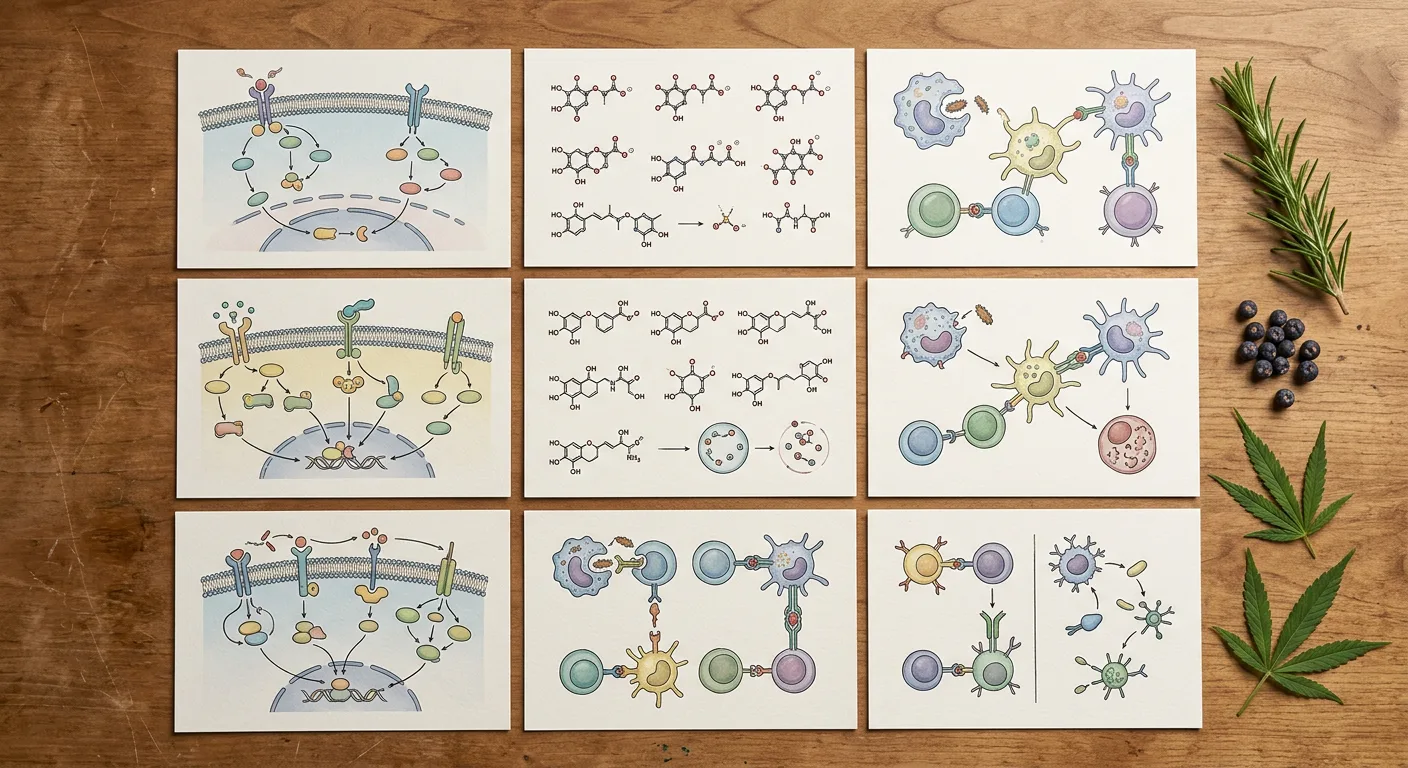
Limonene's benefits may extend well beyond mood and anxiety. Research across multiple disciplines has identified several other promising therapeutic properties, though most evidence remains preclinical.
Anti-Inflammatory and Antioxidant Activity
A 2017 study published in Molecular Medicine Reports demonstrated limonene's ability to reduce disease activity and organ damage in an animal model of ulcerative colitis. These effects were attributed to its antioxidant and anti-inflammatory properties, findings corroborated by a 2015 study in Food and Chemical Toxicology.
Pain Reduction
The anti-inflammatory and antioxidant properties of limonene may partially explain analgesic effects observed in animal models. A 2017 study published in Neuroscience reported reduced pain responses in subjects administered limonene, as noted in Weedmaps' terpene review.
Anticancer Properties
A 2018 study published in OncoTargets and Therapy found that limonene inhibited the growth of lung cancer cells in mice while suppressing the proliferation of transplanted tumors. While this research is preliminary and cannot be generalized to humans, it represents an active area of investigation.
Antimicrobial and Antiviral Effects
Limonene's antibacterial and antimicrobial effects are being actively researched, with potential applications ranging from topical formulations to novel antimicrobial agents. These properties also make limonene valuable as a natural preservative.
Important: While limonene shows promise across multiple therapeutic areas, most studies used concentrated doses far exceeding what you would get from smoking or vaporizing cannabis. Never use cannabis as a substitute for prescribed medical treatments. The amounts of limonene in flower (typically under 2%) are a fraction of research doses.
High Limonene Strains: Top Picks for 2026
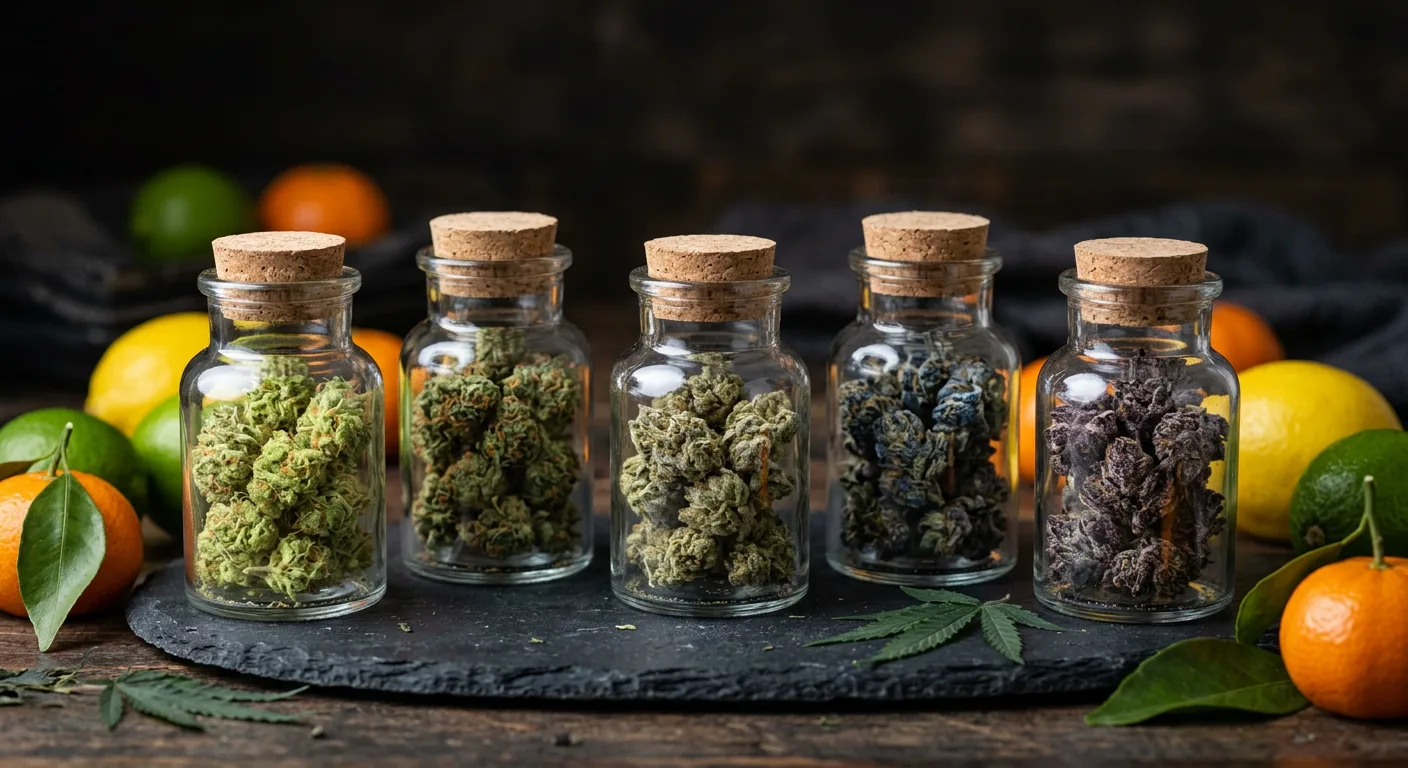
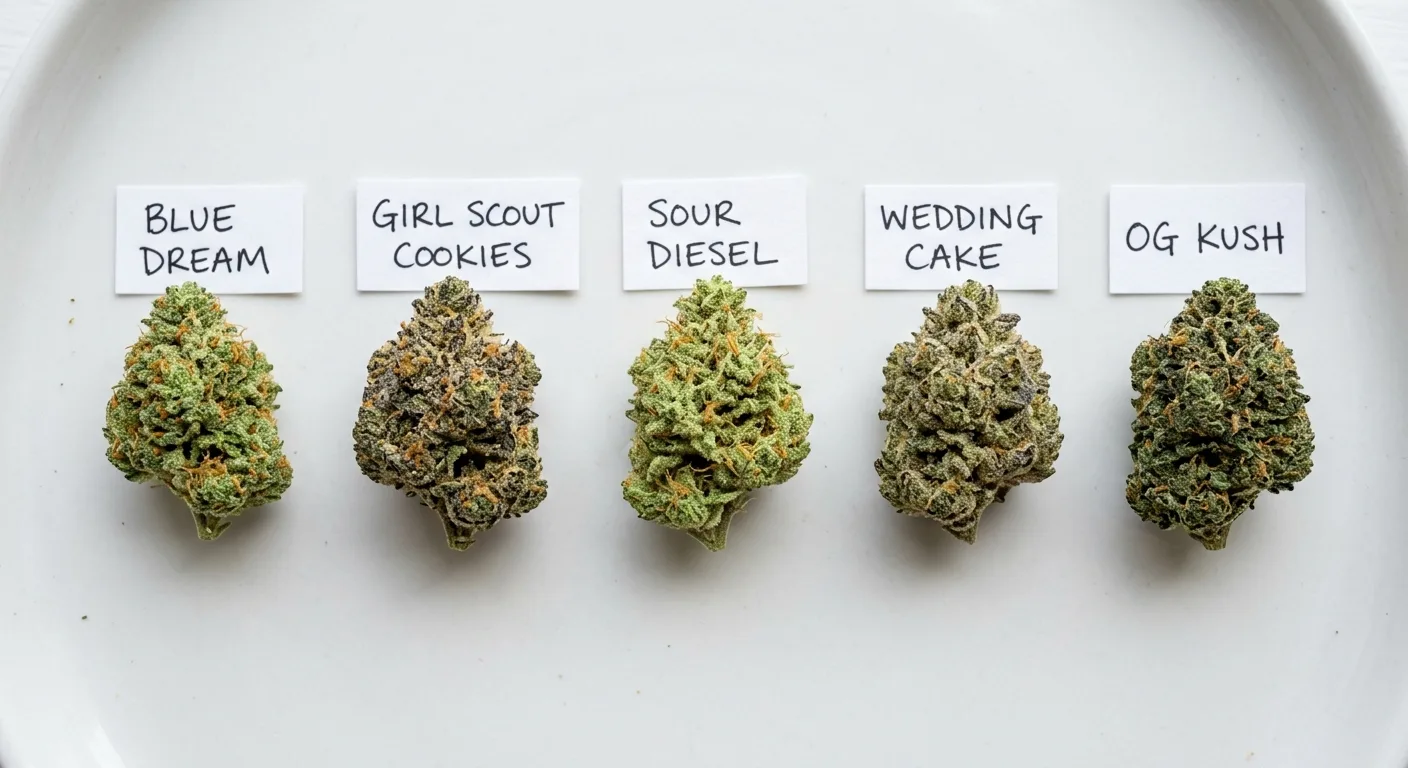
The best limonene strains combine potent citrus terpene profiles with genetics known for mood elevation and energizing effects. Below, we have compiled a mix of industry-famous cultivars and strains we carry, all recognized for limonene-dominant or limonene-rich profiles.
Super Lemon Haze
The quintessential limonene strain. This sativa-dominant hybrid crosses Lemon Skunk with Super Silver Haze to produce an unmistakable lemon-zest aroma. It delivers 23% THC alongside a euphoric, focused high that many users describe as their go-to daytime cultivar. We carry Super Lemon Haze Feminized Seeds with our germination guarantee.
Lemon Skunk
One of Super Lemon Haze's parent strains, Lemon Skunk is a potent sativa-leaning hybrid known for its sharp citrus nose and uplifting cerebral effects. THC levels typically range from 18–22%. It produces dense, resinous buds coated in a sticky trichome layer that carries that characteristic limonene punch.
Wedding Cake
While not an obvious "lemon" strain, Wedding Cake frequently tests with a limonene-dominant terpene profile alongside caryophyllene. Its 22–25% THC produces a euphoric, relaxing experience with a sweet, tangy undertone. It is a top-shelf hybrid that demonstrates why you cannot judge limonene content by name alone.
Sour Diesel
This legendary sativa is renowned for its pungent, fuel-like aroma with bright citrus undertones—courtesy of significant limonene content. At up to 24% THC, it delivers fast-acting cerebral energy and creative stimulation. Our Sour Diesel Feminized Seeds produce plants with exceptional terpene expression when grown in optimal conditions.
Do-Si-Dos
An indica-leaning hybrid that surprises many with its limonene-forward terpene profile. Do-Si-Dos combines lime, mint, and earthy notes with a deeply relaxing body effect. THC levels reach 25–30%. It proves that limonene is not exclusive to energizing strains—it contributes mood elevation even in sedating cultivars.
OG Kush
The backbone of modern cannabis genetics, OG Kush consistently produces limonene as one of its top three terpenes. Its complex aroma blends citrus, pine, and fuel. At 26% THC, our OG Kush Feminized Seeds produce plants with the classic terpene profile that has made this cultivar a global icon.
Tangerine Haze
A sativa-dominant cultivar with a terpene profile practically dripping with limonene. The orange-tangerine aroma is unmistakable, and the 18% THC delivers a clear-headed, sociable buzz. Our Tangerine Haze Feminized Seeds are excellent for growers seeking a limonene-rich harvest without overwhelming potency.
Durban Poison
This pure South African sativa landrace is famous for its sweet, spicy aroma with citrus highlights. Limonene is consistently one of its top terpenes, and its energizing, clear-headed effects at 17–20% THC make it a favorite for daytime use and creative pursuits.
| Strain | Type | THC % | Primary Terpenes | Effect Profile |
|---|---|---|---|---|
| Super Lemon Haze | Sativa-dom | 23% | Limonene, Terpinolene, Caryophyllene | Euphoric, Focused, Energetic |
| Lemon Skunk | Sativa-dom | 18–22% | Limonene, Myrcene, Caryophyllene | Uplifting, Creative, Happy |
| Wedding Cake | Hybrid | 22–25% | Limonene, Caryophyllene, Linalool | Euphoric, Relaxed, Calm |
| Sour Diesel | Sativa-dom | 24% | Limonene, Myrcene, Caryophyllene | Energetic, Cerebral, Creative |
| Do-Si-Dos | Indica-dom | 25–30% | Limonene, Linalool, Caryophyllene | Relaxed, Euphoric, Sedating |
| OG Kush | Hybrid | 26% | Limonene, Myrcene, Caryophyllene | Balanced, Happy, Stress-Relief |
| Tangerine Haze | Sativa-dom | 18% | Limonene, Myrcene, Pinene | Sociable, Clear, Uplifting |
| Durban Poison | Pure Sativa | 17–20% | Limonene, Myrcene, Ocimene | Energetic, Clear-Headed, Creative |
How to Grow and Preserve Limonene-Rich Cannabis
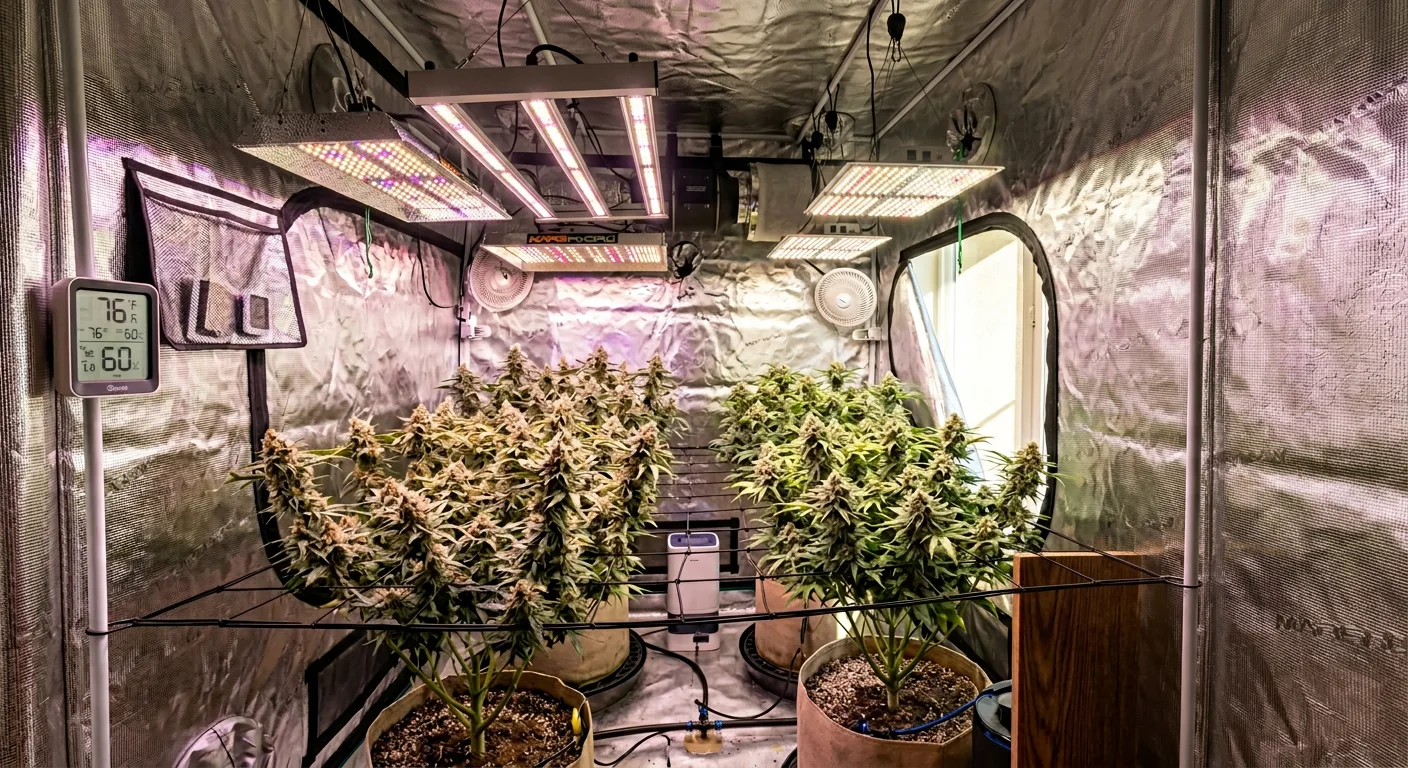
Growing limonene terpene cannabis to its full aromatic potential requires attention to environmental conditions during late flowering and careful post-harvest handling. Terpenes are volatile compounds—poor technique can destroy them before they ever reach your jar.
Cultivation Tips for Maximum Limonene Expression
Control Late-Flower Temperatures
Drop nighttime temperatures to 18–20°C (64–68°F) during the final two weeks of flowering. Mild temperature stress signals the plant to ramp up terpene production as a protective response. Use our VPD calculator to dial in the ideal vapor pressure deficit for this stage.
Maintain Proper Humidity
Keep relative humidity between 40–50% during late flower to minimize mold risk while encouraging resin production. Review our mold prevention guide for detailed protocols.
Harvest at Peak Trichome Maturity
Harvest when trichomes are mostly cloudy with 10–15% amber. Over-ripe plants begin to lose volatile monoterpenes like limonene through evaporation. Consult our guide on when to harvest for maximum potency.
Slow-Dry and Cold-Cure
Dry at 15–18°C (59–64°F) and 55–62% RH for 10–14 days. Cure in sealed glass jars with Boveda or Integra Boost humidity packs at 58–62% RH. These controlled conditions preserve monoterpenes that would otherwise off-gas in warmer, drier environments.
Growing Tip: Limonene-rich strains tend to be heavy feeders during mid-to-late flower. Use our nutrient calculator to ensure adequate phosphorus and potassium without overfeeding nitrogen, which can suppress terpene synthesis in the final weeks.
Long-Term Storage
Limonene degrades with exposure to light, heat, and oxygen. For long-term storage, keep cured flower in airtight glass containers, in complete darkness, at 15–21°C (59–70°F). Under these conditions, limonene content remains stable for 6–12 months.
Limonene vs Other Major Cannabis Terpenes
How does limonene compare to the other dominant terpenes in cannabis? Understanding each terpene's unique profile helps you select strains that match your desired effects—whether you want mood elevation, sedation, or pain relief.
| Terpene | Primary Aroma | Boiling Point | Key Reported Effects | Also Found In |
|---|---|---|---|---|
| Limonene | Citrus, lemon | 176°C / 349°F | Mood elevation, anxiety relief, energy | Lemon rind, orange peel |
| Myrcene | Earthy, musky | 168°C / 334°F | Sedation, relaxation, pain relief | Mango, hops, lemongrass |
| Pinene | Pine, forest | 155°C / 311°F | Alertness, memory support, bronchodilation | Pine needles, rosemary |
| Caryophyllene | Pepper, spice | 130°C / 266°F | Anti-inflammatory, pain relief, stress | Black pepper, cloves |
| Linalool | Floral, lavender | 198°C / 388°F | Sedation, anti-anxiety, anticonvulsant | Lavender, birch bark |
| Humulene | Earthy, woody | 106°C / 223°F | Appetite suppression, anti-inflammatory | Hops, coriander |
Key Takeaway: Limonene stands out among major cannabis terpenes for its uplifting, mood-boosting profile. While myrcene and linalool lean toward sedation and caryophyllene targets pain, limonene occupies the "energy and positivity" niche—making it the terpene of choice for daytime users and those managing stress or low mood.
For a deeper understanding of how THC interacts with terpenes like limonene to shape the overall cannabis experience, see our comprehensive THC guide. The entourage effect means no single compound works in isolation—it is the full chemical profile that determines how a strain feels.
Strain Names ≠ Terpene Guarantees: A strain called "Lemon" anything is not guaranteed to be limonene-dominant. Leafly's research confirms that even among citrus-named cultivars, terpene profiles vary significantly across harvests depending on genetics, growing techniques, and curing processes. Always verify with lab-tested COAs.
Frequently Asked Questions About Limonene in Cannabis
Does limonene get you high on its own?
No. The Johns Hopkins study confirmed that vaporized d-limonene alone (at 1 mg and 5 mg doses) produced no significant subjective effects compared to placebo. Limonene does not activate cannabinoid receptors and has no intoxicating properties by itself. Its value lies in modulating the effects of cannabinoids like THC—particularly by reducing anxiety without blunting euphoria.
What is the best way to consume cannabis to get the most limonene?
Vaporizing at 170–180°C (338–356°F) is the most efficient method for delivering intact limonene to your lungs. Combustion (smoking) at 600°C+ destroys a significant portion of terpenes before inhalation. Low-temperature dabbing of live resin or rosin concentrates also preserves high terpene content, including limonene.
Can limonene help with depression?
Preclinical research suggests limonene may have antidepressant-like effects through serotonin and dopamine modulation. However, no human clinical trials have specifically evaluated limonene as an antidepressant treatment. While many users report mood elevation from limonene-rich cannabis strains, this should not replace professional mental health care. Consult a healthcare provider for depression treatment.
How can I tell if a cannabis strain is high in limonene?
The only reliable method is reviewing a third-party lab Certificate of Analysis (COA). Look for d-limonene content above 0.5% for a meaningful presence, or above 1.0% for a limonene-dominant profile. Strain name and aroma are unreliable indicators—our COA reading guide walks you through interpreting terpene test results step by step.
Is limonene safe? Are there any side effects?
Limonene is classified as Generally Recognized as Safe (GRAS) by the FDA for food use. However, in high concentrations, it can be a skin irritant and may trigger contact dermatitis in sensitive individuals, according to 2014 research published in Contact Dermatitis. In the amounts found naturally in cannabis flower (under 2%), limonene is not associated with significant adverse effects when inhaled or ingested.
Sources & References
This article was researched and fact-checked using 5 verified sources including 1 peer-reviewed study, 2 authoritative references, 1 industry source, 1 community resource.
- Vaporized D-Limonene Selectively Mitigates the Acute Anxiogenic Effects of Δ9-Tetrahydrocannabinol in Healthy Adults Who Intermittently Use Cannabis - PMC — pmc.ncbi.nlm.nih.gov [Research]
- What Is Limonene & What Are Its Benefits in Cannabis? | Leafly — leafly.com [Reference]
- What is a Limonene? Limonene Terpene Definition | Weedmaps — weedmaps.com [Reference]
- Learn About the Limonene Cannabis Terpene - RQS Blog — royalqueenseeds.com [Industry]
- What are the health benefits of limonene in cannabis? — cannamd.com [Community]